
Emergencies with dogs rarely look like movie scenes—more often it’s a sudden cut, a limping paw, a swallowed object, or a heat-related wobble on a walk. A clear plan and a well-stocked kit help dog owners act fast, reduce complications, and recognize when it’s time to call (or go to) a veterinarian.
Dog first aid is about stabilizing—not solving—an injury or illness. The goal is to keep your dog safe and comfortable while you arrange veterinary care when it’s needed.
For broader pet-care guidance, the American Veterinary Medical Association (AVMA) is a reliable place to start.
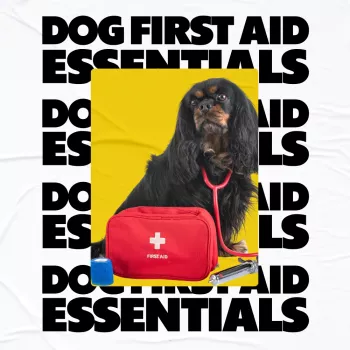
A practical kit focuses on frequent, fixable problems—minor bleeding, paw injuries, ticks, and temperature-related issues—plus safe handling and transport.
| Item | Use | Notes |
|---|---|---|
| Sterile gauze + non-stick pads | Cover wounds, apply pressure to bleeding | Secure with vet wrap; avoid sticking to tissue |
| Vet wrap (self-adhering bandage) | Hold dressings in place, support sprains | Do not wrap tightly; check toes for swelling |
| Saline / sterile wound wash | Flush debris from cuts and eyes | Avoid harsh antiseptics in eyes |
| Tweezers + tick tool | Remove splinters/ticks | Use proper tick removal technique; save tick if needed |
| Digital thermometer + lubricant | Check temperature during illness/heat events | Fever or low temp can signal urgent issues |
| Styptic powder | Stop minor nail bleeding | For nail/quick bleeding; seek care if severe |
| Gloves + hand sanitizer | Hygiene and contamination control | Use gloves when handling blood/fluids |
| Slip lead/towel | Restraint and safe handling | Pain can trigger fear-biting |
When something goes wrong, triage is the skill that protects your dog the most: deciding what can wait, what needs a call, and what needs immediate emergency care.
If you suspect a toxin, contact a professional right away, such as the ASPCA Animal Poison Control Center for next-step guidance.
Clear, repeatable steps are what help in real life—especially when adrenaline is high and your dog is scared.
For an additional overview of pet first aid concepts, the American Red Cross pet first aid resources can be a helpful supplement.
If you want a structured, printable companion, consider Dog First Aid Essentials: Comprehensive Guide, eBook & Checklist for Dog Owners – Digital Download.
For pet parents who travel frequently, it can also help to keep general road-trip planning resources organized alongside your pet “go bag,” such as Drive Smart in 2026: Choosing Between New and Used Cars Guide – New Car vs Used Car How to Decide eBook for budgeting and logistics planning.
No—avoid human pain relievers unless your veterinarian explicitly prescribed a specific drug and dose for your dog. Common over-the-counter medications can be toxic and may worsen bleeding or organ damage, so the safer move is to call your vet for guidance.
It’s urgent if there’s blood, repeated vomiting, severe lethargy, signs of dehydration, suspected bloat, known toxin exposure, or if the dog is very young, elderly, or medically fragile. When in doubt—especially if symptoms escalate quickly—call a veterinarian or go to an emergency clinic.
Approach slowly, speak calmly, and prioritize your safety first. Use a slip lead and a towel wrap for control, and consider a muzzle alternative if the dog is in pain—avoid putting hands near the mouth and stop if restraint increases panic or struggling.












Leave a comment