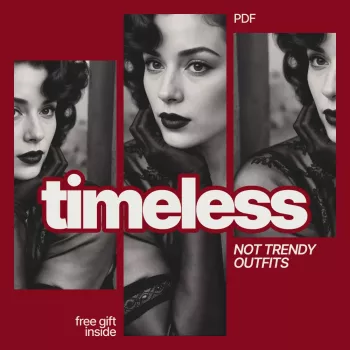
Timeless outfits aren’t about playing it safe—they’re about choosing silhouettes, fabrics, and color palettes that look polished year after year. The goal is to look intentional in any season, without relying on a specific “moment” to make an outfit work. Below is a practical way to define what “timeless” really means, which pieces carry the most weight in an elegant wardrobe, and how to combine them into repeatable outfits that stay chic. For more guidance, see [PDF] Gentleman A Timeless Guide To Fashion The Ultimat.
Timeless style is built on balanced proportions, clean lines, and quality-looking materials—not constant novelty. When an outfit looks timeless, it usually has visual clarity: nothing is fighting for attention, and the overall shape feels grounded. For further reading, see Minimalist Clothing: Everything You Need to Know to Build a Mindful ….
A timeless piece can still feel modern when the fit is current and the styling is simple. For example, a blazer can read classic even when the length or shoulder line subtly shifts with the times—because the category (structured tailoring) remains the same.
Trendy isn’t “bad”; it’s optional. Timeless dressing treats trends as accents, not foundations. A useful test: if an item needs a very specific micro-trend to look “right” (hyper-specific cutouts, extreme shapes, novelty proportions), it’s more likely trend-led and harder to rewear once that moment passes.
Timeless outfits work because the fundamentals are strong. When these elements are consistent, even simple pieces look elevated.
| Outfit anchor | Why it stays chic | Trend-led swap to use sparingly |
|---|---|---|
| Crisp white button-down | Sharp lines, works with tailoring or denim | Ultra-cropped shirt or exaggerated cutout blouse |
| Tailored blazer (neutral) | Adds structure; dresses up casual pieces | Extreme oversized blazer with novelty proportions |
| Straight-leg dark denim | Clean silhouette; easy with flats or heels | Super-distressed or ultra low-rise statement denim |
| Trench coat | Classic outerwear shape; layers over everything | Highly embellished or logo-heavy statement coat |
| Silk/satin midi skirt | Elegant movement; versatile for day-to-night | Very sheer skirt or heavily asymmetrical hem |
| Minimal leather loafers or pumps | Polished, seasonless styling | Platform novelty heels or overly chunky statement shoes |
These formulas are dependable because they combine structure + ease, and they don’t rely on extreme proportions to feel “fashion.” Use them as a repeatable rotation, then swap colors, textures, or accessories as needed.
Think of this as a “starter architecture” for outfits. You can personalize silhouettes, but keeping the categories consistent makes everything mix-and-match.
For ongoing inspiration on how classic pieces evolve, browsing runway-to-real-life coverage can help—without forcing you into every new micro-trend. Sources like Vogue’s fashion coverage and The Business of Fashion can be useful for context.
If you want outfit formulas, wardrobe planning prompts, and polished combinations that don’t rely on short-lived trends, start with the Chic Guide to Timeless, Not Trendy Outfits – Elegant Wardrobe eBook Answering What Outfits Are Timeless Not Trendy.
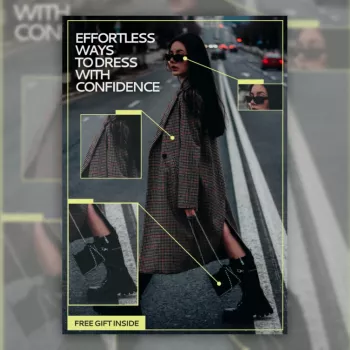
For everyday “put together” outfits and confidence-building styling that complements a timeless wardrobe approach, pair it with the Effortless Ways to Dress with Confidence – eBook Guide on what to wear to look polished together, Timeless Style, Simple Wardrobe, Everyday Outfit Confidence.
Reliable formulas include a blazer with straight-leg denim, a button-down with a silk midi skirt, a trench over a monochrome base, a fine knit with tailored trousers, and a little black dress with classic pumps. These work because the silhouettes are balanced, the fabrics look refined, and the styling stays clean.
Keep the categories classic but update the fit and proportions, then simplify styling so the outfit looks intentional. Refresh shoes or a bag, and limit bold statements to one element so the look stays modern without chasing micro-trends.
About 20–35 core pieces is a practical range for most lifestyles, covering tops, bottoms, layers, shoes, and one or two bags. A cohesive color palette and repeatable outfit formulas matter more than the exact number of items.









Leave a comment